

Introduction:
Network Science GA Tech Assignment 1 – Complete Guide for USA Students
For students studying in the USA, this assignment is not just a means of getting marks but is also important for research and professional development. In this article, you will find a complete roadmap for completing the assignment.
1.Importance of Network Science GA Tech Assignment
- At Georgia Tech, this assignment typically consists of the following tasks:
- Analysis of a given network data set
- Identification of nodes and edges
- Calculation of network metrics such as centrality, clustering coefficient, and shortest paths
- Presentation of results through data visualization
- In the USA, assignment grading is mostly based on accuracy, code quality, clarity, and presentation.
2.Introduction to Network Science (in USA context)
- Network science is applied in the USA in a variety of fields:
- Social media analysis (Facebook, LinkedIn networks)
- Biological systems (protein interaction maps)
- Transportation networks (US airline routes)
- Internet structure (server and router connection maps)
- For Georgia Tech students, knowing these real-world examples makes assignments more effective.
3.Important topics covered in the assignment

3.1 Basics of Graph Theory
Understanding how nodes and edges represent complex systems.
3.2 Network metrics (in the context of USA research)
Degree Centrality – Identifying influential individuals in social networks
Betweenness Centrality – Identifying important brokers in communication networks
Closeness Centrality – Finding nodes that have the shortest reach time to others
3.3 Data visualization tools
- Most used tools in the USA:
- Gephi (interactive visualization)
- Python NetworkX library
- Cytoscape (for biological networks)
4.Step-by-step method of solving assignment
Step 1: Read the instructions carefully.
USA professors usually provide detailed grading guides, which are essential to understand.
Step 2: Prepare or load the data set
Many times the dataset is real networks related to the USA, such as airline routes or social media data.
Step 4: Create a visualization
USA professors pay special attention to the quality of presentation, so graphs should be color-coded and easy to understand.
Step 5: Write the report
Prepare a clear, organized, and professional report in English, keeping sections separate.
5.Success Tips for USA Students
- Use real-world USA data to make your work more impactful.
- Include explanatory comments in your code.
- Code files and visualizations must be submitted with your report.
- Use APA style for citing research papers.
6.Common Mistakes of USA Students
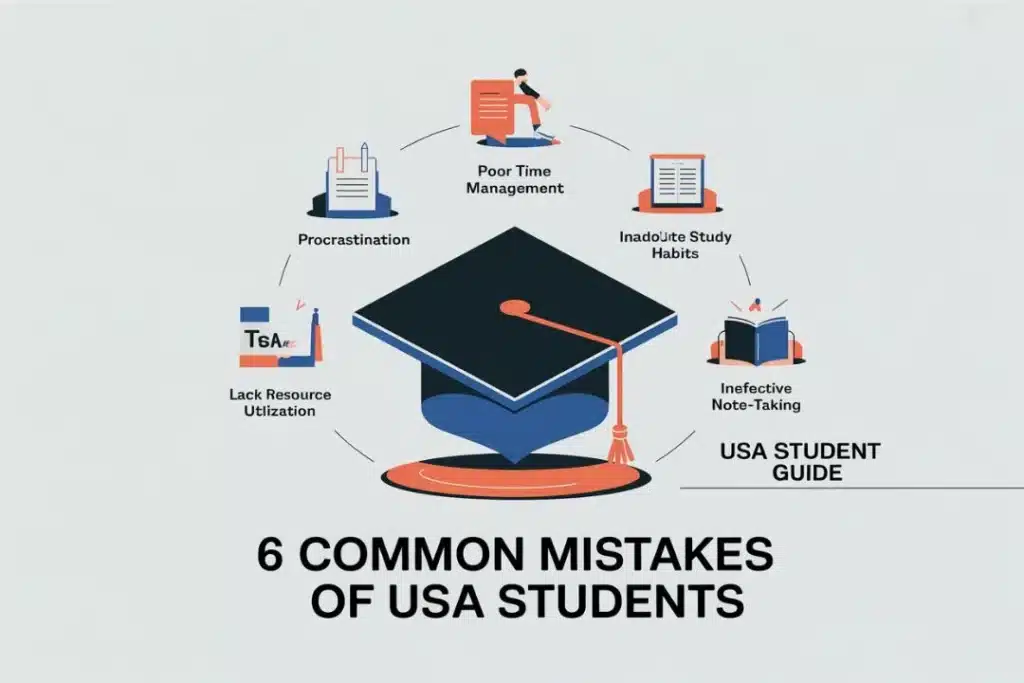
- Not cleaning the data
- Just providing code and leaving out the explanation
- Not creating visualizations
- Deviating from the original need of the question
FAQs – USA Focused
Question 1: Does the assignment have to be done only in Python?
Answer: Python is the most preferred language but R or MATLAB may also be acceptable.
Question 2: Is it necessary to use the USA data set?
Answer: Not necessarily, but it makes the work more effective and relevant.
Question 3: Which citation style is better?
Answer: APA or IEEE style is commonly used at Georgia Tech.
Question 4: How much code detail should be provided?
Answer: Data cleaning, matrix calculation, and visualization should be included.
Question 5: Can I work with classmates?
Answer: Only if the professor allows it, otherwise avoid plagiarism.
Conclusion:
Completing Network Science GA Tech Assignment 1 for Georgia Tech students in the USA is not just an academic task but a great opportunity to improve data analysis, coding skills, and presentation skills. With the right strategy and professional reporting, it is possible to achieve high grades.